Sexual selection refers to the process by which certain traits are favored in a species due to their attractiveness to potential mates. In the human species, sexual selection is often driven by females, who have the ability to choose their partners based on a variety of factors. One key factor in female sexual selection is the display of traits that signal good genes and overall fitness, such as physical attractiveness, intelligence, and social status.
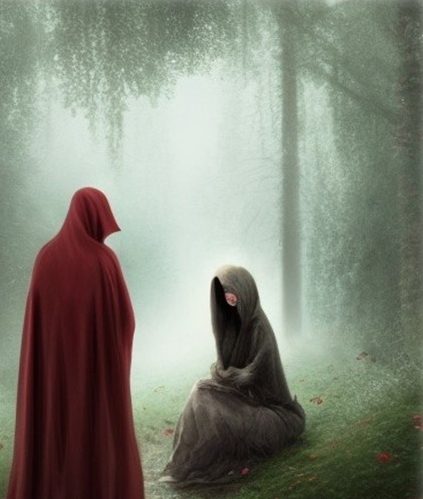
Research has shown that women are more likely to choose partners who display traits associated with good health and genetic fitness, such as symmetrical facial features, a deep voice, and a masculine physique. In addition, women are often attracted to men who possess traits associated with social status and wealth, such as high levels of education or a prestigious occupation. These preferences may reflect the ancestral environment, where males who possessed these traits were more likely to provide resources and protection for their offspring, increasing their chances of survival and reproductive success.
When examining the portrayal of male love interests in harlequin romance novels, it becomes apparent that many of them fall into certain archetypal categories that appeal to female readers. The heroes in these novels often possess traits that signal strength, power, and status, and are frequently portrayed as vampires, pirates, werewolves, billionaires, and surgeons. These archetypes may serve as stand-ins for the traditional “knight in shining armor” fantasy, providing readers with a form of escapism and wish fulfillment. However, it is worth exploring how these archetypes fit into the larger context of female sexual selection, and how they reflect deeper psychological desires and preferences.
One common thread that runs through many of these archetypes is the idea of the “beastly” or “wild” male who is tamed and domesticated by the female protagonist. This trope is particularly prevalent in the portrayal of werewolves, vampires, and other supernatural creatures, where the male love interest is often depicted as a dangerous and unpredictable force that can only be controlled by the love of a good woman. This theme is also present in the portrayal of billionaire and surgeon characters, who may be emotionally closed off or otherwise distant until they are “tamed” by the female protagonist’s love. This idea of taming the beast taps into deeper psychological desires for control, safety, and security, as well as a desire to transform and shape our partners to fit our idealized notions of love and romance.
While the heroine archetype in romance novels often involves the taming of a beastly male, the male hero archetype frequently involves the opposite dynamic: the protection of a vulnerable female from a dangerous and unmitigated beastly threat. This theme is often seen in the portrayal of male characters as knights, soldiers, or other protective figures, who use their strength and bravery to shield their female love interests from harm. The contrast between these archetypes reflects broader cultural narratives about gender and power, with the male hero representing strength and dominance, and the female hero representing control and transformation. Despite these differences, both archetypes speak to deep-seated psychological desires for love, security, and protection.
The development of the male hero archetype can be traced back to ancient storytelling traditions, where men would tell tales of great heroes who possessed certain characteristics that were seen as desirable to potential mates. These characteristics included physical strength, courage, and intelligence, as well as the ability to provide for and protect their loved ones. Over time, these archetypes became embedded in cultural narratives, and were reinforced through literature, film, and other forms of media.
The male hero archetype can be seen as a form of appealing to the sexual selection governed by females across cultures in the human species, in which men who display these traits are seen as more attractive to potential mates. At the same time, these archetypes also reflect universal cultural ideals about masculinity and power, which have evolved over time in response to changing social and economic conditions.
Despite their historical roots, the male hero archetype remains a powerful and enduring cultural trope, reflecting deep-seated desires for strength, courage, and protection. While the specific characteristics of the hero may change over time, the underlying psychological motivations remain the same, and continue to shape our cultural narratives and our ideals of romance and love.

I decided to look for this in my own writing, and while it’s obviously present in The Legend of Tam Lin, the plot and characters are products of Scottish folklore. I turned to Antiphon: Fire and Stone to see if this concept shows up, and I think it does. Kord, who struggles with his supernatural ability to conjure up fire, is in a great sense beastly and untamed. However, he is seeking to control it and finds great help and solace with his romantic interest in the tale, Meara. Awyn, on the other hand, being a postulant monk has no mitigating romantic interest, and though his gift is much less “beastly” than destructive fire, he has a troublesome knack for acting impulsively and rashly (to his detriment) that his platonic friends do not do well to wholly mitigate before the damage is done. I would be curious to hear what you think of this analysis and hope you check out Antiphon: Fire and Stone on Amazon.
 J.E.B. Mungall